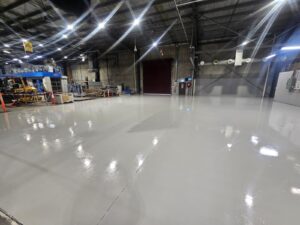
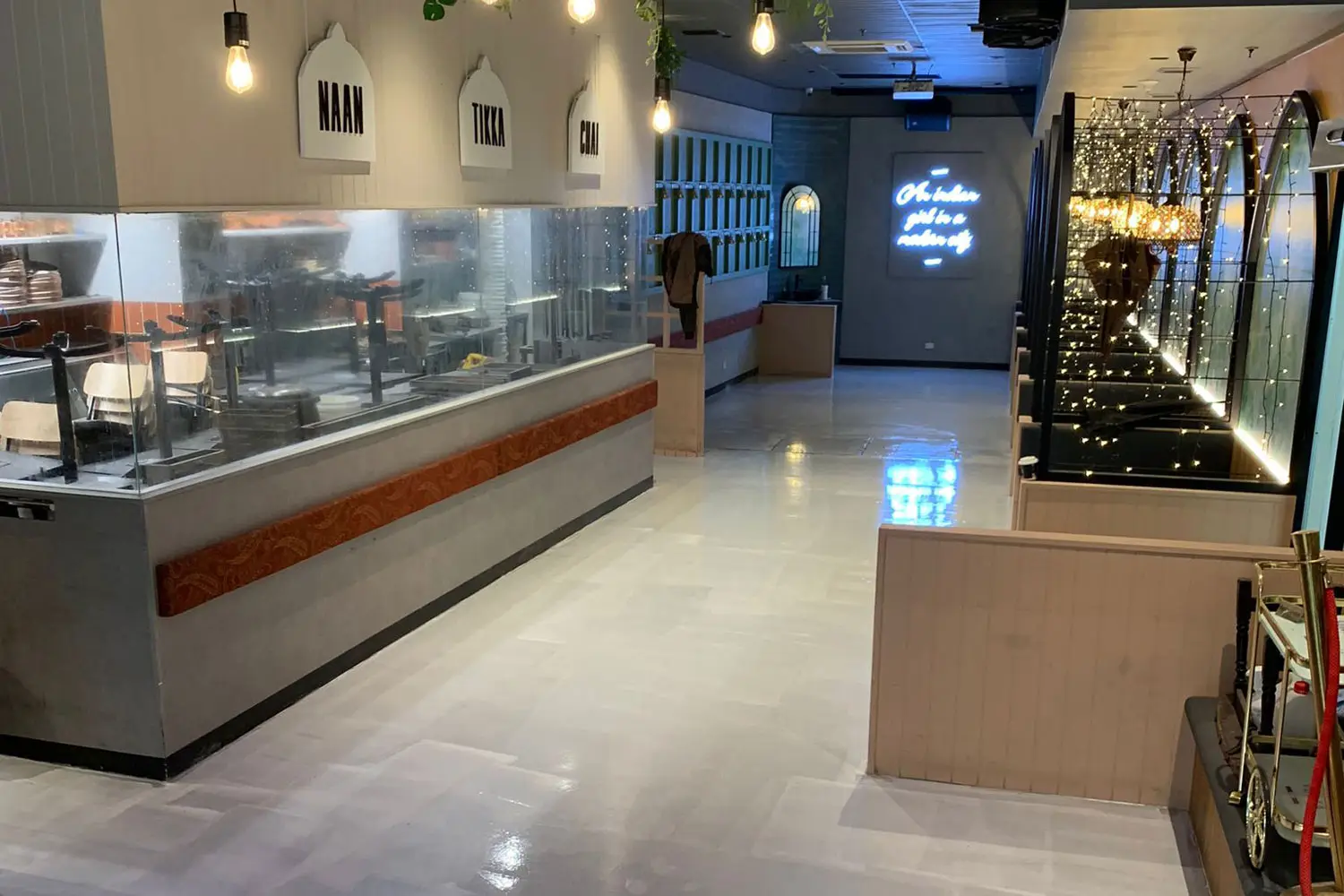
An industrial epoxy floor that is showing signs of wear, delamination, or surface failure does not automatically need full replacement. In many cases, targeted repair combined with recoating restores the floor to full performance at a fraction of the cost and disruption of starting from scratch.
For facility managers across Melbourne dealing with epoxy floor failure, understanding the difference between a floor that can be repaired and recoated and one that needs full system replacement is the decision that determines whether the remediation budget is spent wisely or unnecessarily.
Why Epoxy Floors Fail and What It Means for Repair Options
Epoxy floor failure presents in different ways and has different root causes. Identifying the cause before committing to a repair approach is the step most facilities skip, and it is the step that determines whether the repair lasts or fails again at the same location.
Surface wear and coating erosion. In high traffic industrial environments, the topcoat of an epoxy system wears progressively under forklift traffic, foot traffic, and cleaning equipment. This is normal wear rather than system failure and presents as a gradual loss of gloss, texture, and surface protection. A floor showing wear without delamination or substrate damage is a strong candidate for recoating once the surface is correctly prepared.
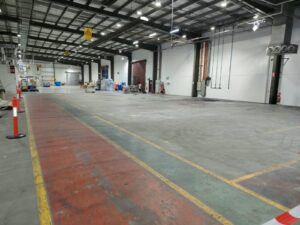
Delamination and coating separation. Delamination occurs when the bond between the epoxy coating and the concrete substrate fails. It presents as lifting, bubbling, or sections that sound hollow when tapped. The root cause is typically inadequate surface preparation at the time of original installation, moisture in the substrate, or a product that was under-specified for the operational environment. Repair of delaminated sections requires removing the failed coating back to sound material, treating the root cause, and reapplying a correctly specified system.
Cracking and surface fractures. Cracks in an epoxy coating that mirror cracks in the substrate beneath are a substrate problem wearing a coating symptom. Recoating over an unaddressed substrate crack produces a coating crack in the same location within a short period of the new application. Substrate cracks must be treated before any recoating proceeds.
Chemical damage and surface degradation. Concentrated chemical exposure that the coating was not specified to resist produces softening, discolouration, and surface breakdown in the affected areas. Repair requires removing the chemically damaged coating, assessing whether the substrate has been affected, and applying a correctly specified chemically resistant replacement system.
Hot tyre pickup. Forklifts with rubber tyres that turn or brake on standard epoxy surfaces can pull sections of coating away from the substrate in turning zones and high-traffic aisles. This failure mode indicates a product specification issue. The replacement system in affected areas needs to be a polyurethane or MMA coating rather than a standard epoxy.
Repair vs Full Replacement: Making the Right Call
The decision between targeted repair and recoating versus full system replacement follows the same logic as concrete resurfacing decisions. It comes down to the condition of the substrate and the extent of coating failure across the facility.
Repair and recoating is appropriate when:
The substrate concrete is structurally sound and free of active moisture movement. The coating failure is localised rather than widespread across the majority of the floor area. The root cause of failure has been identified and can be addressed as part of the repair process. The coating system, once repaired and recoated, will be correctly specified for the current operational demands of the facility.
Full system replacement is appropriate when:
Delamination or coating failure covers more than thirty to forty percent of the floor area, making the mobilisation and preparation cost of repair approach the cost of full replacement. The substrate has been compromised by moisture, chemical penetration, or structural movement that requires treatment before any coating system will perform. The original coating system was so fundamentally misspecified for the environment that recoating with a compatible system is not viable.
A professional assessment of the floor condition, substrate, and root cause of failure is the only reliable basis for making this call. Visual inspection of the surface without substrate assessment produces recommendations that may solve the visible problem while missing the underlying one.
The Repair and Recoating Process
Assessment and Root Cause Identification
Before any repair work begins, the failed sections of coating are assessed to identify the root cause of failure. This involves checking for moisture in the substrate, assessing the bond strength of areas that appear intact, identifying any contamination that may have affected adhesion, and evaluating whether the original product specification was appropriate for the facility’s operational demands.
This assessment determines what preparation is required, what repair method is appropriate for each failure type, and what recoating system should be applied to deliver the required performance going forward.
Removal of Failed Coating
Failed coating is removed back to sound material using diamond grinding or scarifying equipment. The removal process extends beyond the visibly failed area to include any adjacent coating that has lost adhesion but has not yet visibly delaminated. Applying new coating over coating that appears intact but has a compromised bond produces delamination at the interface between old and new material.
Substrate Preparation and Treatment
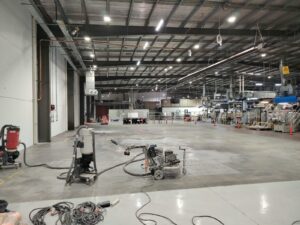
Once the failed coating is removed, the substrate is prepared to the profile required for the repair and recoating system. Any substrate cracks identified during removal are treated using the appropriate method for their type and behaviour. Where moisture testing identifies elevated moisture content, appropriate moisture mitigation treatment is applied before recoating proceeds.
Concrete grinding and surface preparation for Melbourne industrial facilities carried out to the correct standard is the foundation of a repair and recoating project that delivers lasting results.
Repair of Localised Damage
Specific failure areas are repaired using appropriate repair mortars or compounds that restore the substrate surface to a condition suitable for recoating. This includes filling voids left by removed coating, repairing spalled edges at crack locations, and rebuilding any areas where the concrete substrate has been damaged.
Recoating
The recoating system is selected based on the operational demands of the facility, the root cause of the original failure, and any changes in the facility’s use since the original installation. A facility that has introduced heavier forklift traffic, increased chemical exposure, or different operational requirements since the original installation may need a different system specification rather than a like-for-like replacement.
The recoating is applied in the specified film thickness, using the appropriate application method, under conditions that fall within the product’s acceptable application window for temperature and humidity.
Industrial epoxy floor repair and recoating services for Melbourne facilities are scheduled around operational requirements to minimise disruption, with return to service timelines confirmed before work begins.
Epoxy Floor Repair and Recoating for Specific Melbourne Facility Types
Warehouses and Logistics Facilities
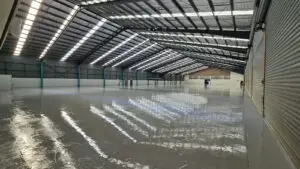
Warehouse epoxy floor repair in Melbourne’s industrial areas typically addresses wear in main forklift travel lanes and delamination near loading docks, where moisture ingress is most common. The recoating specification for warehouse environments prioritises abrasion resistance and surface hardness, with polyurethane topcoats used in the highest traffic zones where standard epoxy topcoats wear ahead of schedule.
Repair and recoating in warehouse environments is staged by zone where the facility footprint allows, keeping operational areas active while work proceeds in adjacent sections.
Manufacturing and Industrial Facilities
Manufacturing facilities often have zone-specific recoating requirements driven by the different operational demands of each area. Production floors, maintenance areas, chemical storage zones, and staff amenity areas all present different performance requirements that a single uniform recoating specification does not always address optimally.
A zone-by-zone assessment and specification approach delivers a recoating result that is correctly matched to each area’s specific demands rather than a compromise that is adequate everywhere and optimal nowhere.
Food Processing and Commercial Kitchens
Epoxy floor repair in food processing and commercial kitchen environments requires chemically resistant repair materials and recoating systems that withstand aggressive cleaning chemicals and maintain slip resistance under wet and oil-contaminated conditions. Seamless application with no joints or grout lines is essential for hygiene compliance.
Work in food processing environments is scheduled during planned shutdown periods to avoid any interference with food production or compliance obligations during operational periods.
Strata and Commercial Car Parks
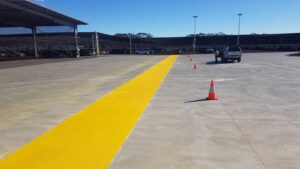
Epoxy and resin coating repair in strata car parks addresses the delamination and surface failure that develops in these environments under vehicle traffic, tyre scuffing, and exposure to oils and water. The recoating specification for car park environments typically includes a polyurethane or MMA topcoat that provides improved tyre and chemical resistance compared to the standard epoxy systems often used in original fitouts.
What to Expect From a Professional Epoxy Floor Assessment in Melbourne
A professional epoxy floor assessment for a Melbourne industrial or commercial facility covers the full extent of coating condition across the facility, not just the visibly failed areas. It includes adhesion testing of areas that appear intact, moisture testing of the substrate, root cause identification for each failure type present, and a written repair and recoating specification that addresses the underlying causes rather than the surface symptoms.
The assessment also confirms whether the proposed repair and recoating approach is appropriate for the current operational demands of the facility, or whether a different system specification is warranted based on changes in use since the original installation.
Floor Maintenance Solutions provides epoxy floor repair and recoating assessments and project delivery for commercial and industrial facilities across Melbourne and Victoria. Our technicians hold the MSF30822 Certificate III in Flooring Technology and bring formal substrate assessment and resin system competency to every project.
Contact Floor Maintenance Solutions for a free site assessment of your Melbourne facility. We will assess the full extent of your epoxy floor condition, identify the root cause of any failure, and give you a clear repair and recoating specification that addresses the problem properly the first time.
Find out more about our concrete and epoxy maintenance and repair services for Melbourne facilities.