Choosing epoxy flooring for a commercial or industrial environment is one of those decisions that looks straightforward until you start looking at the options. There are multiple system types, different chemistries, varying film builds, a range of surface finishes, and more than a few contractors who will tell you their preferred product is the right one for your space regardless of what your space actually demands.
The result of choosing the wrong system is predictable. The floor looks fine on completion and begins to fail ahead of schedule, either because it was not specified for the operational demands of the environment, because the substrate was not properly prepared before installation, or because a cheaper product was substituted for one that would have actually performed.
This guide cuts through the noise and gives you a practical framework for choosing the right epoxy flooring system for your specific commercial or industrial environment.
Why Epoxy Flooring Is Not a Single Product
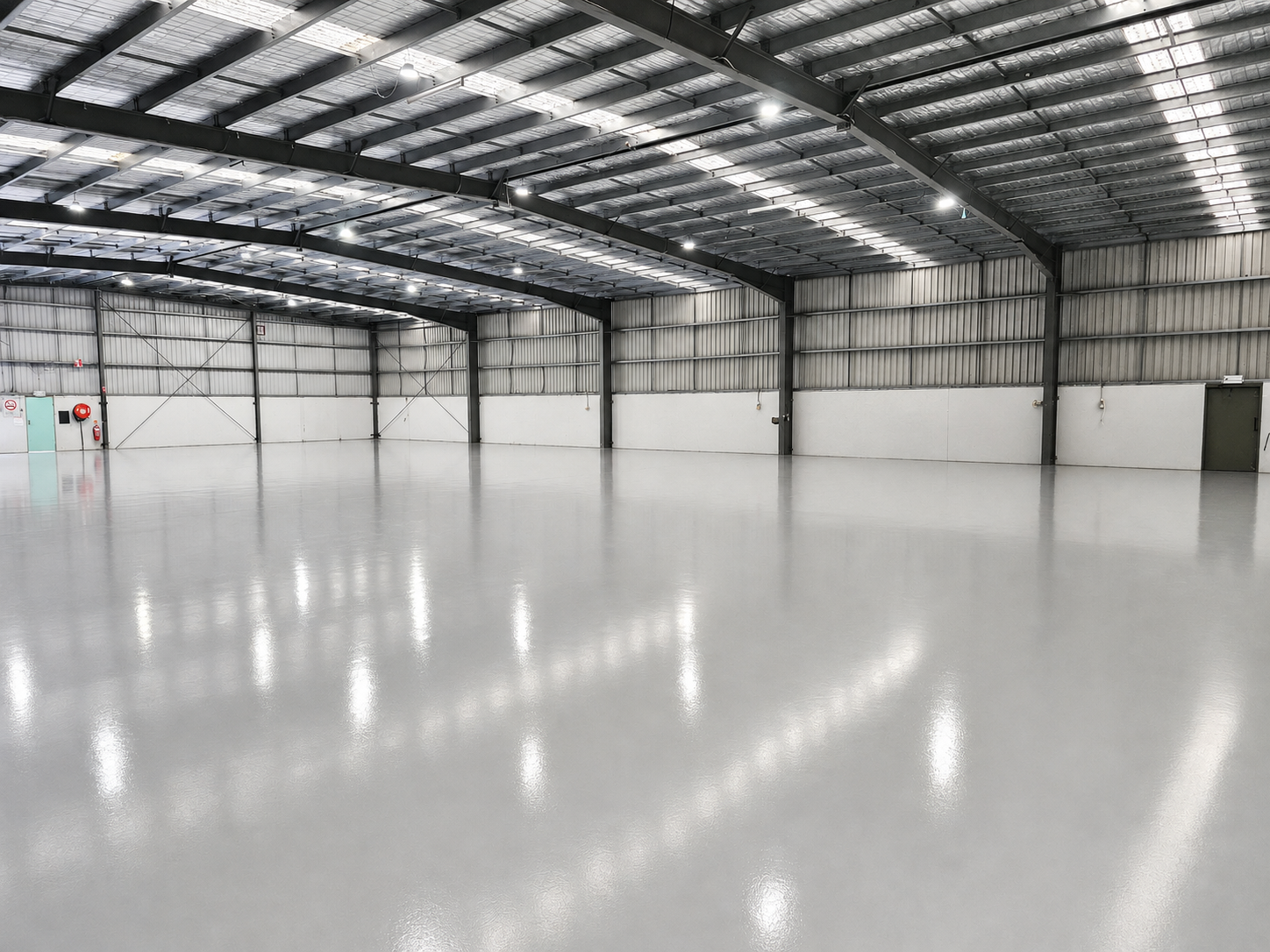
The first thing to understand about choosing epoxy flooring is that epoxy flooring is a category, not a product. Within that category sits a wide range of systems with genuinely different performance profiles, application requirements, and service life expectations.
A thin-film decorative epoxy system applied in a retail showroom and a heavy-duty broadcast aggregate industrial epoxy system installed in a Melbourne warehouse serving triple-shift forklift operations are both epoxy flooring. They share a chemistry category and very little else in terms of what they are designed to do and how long they will last under their respective operational demands.
Understanding which part of the epoxy flooring category is right for your environment is the central decision in any commercial or industrial flooring project.
The Factors That Determine the Right System for Your Environment
What Traffic Does Your Floor Actually Carry?
Traffic is the primary driver of epoxy flooring system selection. The type and intensity of traffic a floor faces determines the film build, topcoat chemistry, and surface hardness required for the system to deliver its expected service life.
Foot traffic alone is relatively gentle on epoxy flooring. A well-specified thin-film system handles foot traffic environments comfortably and will perform for many years with appropriate maintenance. The moment wheeled equipment enters the picture, the demands on the system increase significantly.
Hand pallet jacks, trolleys, and order pickers place different demands on a floor than counterbalance forklifts operating at load capacity. Reach trucks in racking aisles create different stress patterns than forklifts on open floor areas. Understanding the specific equipment operating in your facility, and where it operates most intensively, is the starting point for matching the system to the traffic.
In heavy forklift environments, a polyurethane topcoat over an epoxy base consistently outperforms a standard epoxy topcoat in the highest-traffic zones because polyurethane offers significantly better abrasion resistance under rubber tyre loads. The cost difference between these two topcoat options is real but modest compared to the service life difference in a demanding environment.
Industrial epoxy flooring systems for Melbourne warehouses and factories specified against the actual traffic demands of the facility rather than a generic industrial standard consistently deliver better value over their service life.
What Chemicals Will the Floor Contact?
Chemical exposure is the second major driver of system selection and the one most often underestimated in the specification process. Standard epoxy systems handle occasional water and general contamination well. Regular exposure to concentrated cleaning chemicals, oils, food acids, battery acids, solvents, or specific industrial process chemicals requires a system specifically formulated to resist those substances.
The problem is that chemical resistance is invisible until it fails. A standard epoxy system installed in a food processing facility that uses aggressive alkaline cleaning chemicals daily will look perfectly acceptable for the first year and begin to soften, discolour, and deteriorate progressively from there. By the time the deterioration is obvious, the coating has already lost a significant portion of its protective properties.
Identifying the specific chemicals each zone of your facility contacts, the concentration of those chemicals, and the frequency of contact before selecting a system is the step that prevents this outcome. A correctly specified commercial epoxy floor coating for a food processing environment uses a chemically resistant formulation that withstands the cleaning regime the facility operates rather than one that deteriorates under it.
What Slip Resistance Does Your Environment Require?
AS/NZS 4586 defines the minimum slip resistance ratings required for different area types and conditions in Australian commercial and industrial environments. Choosing an epoxy flooring system without confirming that the system achieves and maintains the required Pendulum Test Value for your specific zones is choosing a system that may not be compliant from the day it is installed.
Wet areas, loading dock approaches, wash bays, commercial kitchens, aged care facilities, and any zone where liquid contamination is a regular occurrence all require specific slip resistance ratings that not every epoxy system achieves without a specific anti-slip treatment or aggregate broadcast.
Anti-slip epoxy flooring for Melbourne commercial and industrial facilities is available in a range of system types from fine aggregate broadcast for moderate slip resistance requirements through to coarse quartz aggregate for environments with continuous wet and contaminated conditions. The right system for your environment is the one that achieves the required rating and maintains it under the cleaning regime your facility uses.
Slip resistance also degrades over time under traffic and cleaning. A system that meets the required standard at installation may fall below it after two or three years of heavy use without a maintenance recoat. Understanding the expected maintenance interval for the proposed system is part of the selection decision, not an afterthought.
What Are the Hygiene Requirements of Your Space?
Commercial and industrial environments with specific hygiene obligations, including food processing, commercial kitchens, healthcare facilities, pharmaceutical manufacturing, and aged care, have flooring requirements that go beyond standard commercial epoxy systems.
Seamless application with no grout lines or joins is a fundamental requirement in these environments because joints and grout lines create locations where bacteria and contaminants accumulate in ways that standard cleaning cannot fully address. Standard epoxy systems applied correctly produce a seamless surface, but the joint treatment at drainage channels, wall junctions, and floor transitions requires specific attention to maintain the seamless integrity of the installation.
Chemical resistance to the specific sanitising agents used in the facility is the other critical consideration. Medical-grade disinfectants, HACCP-compliant sanitisers, and the concentrated cleaning chemicals used in food processing environments are more aggressive than standard commercial cleaning products and require a system formulated to withstand them.
Our post on slip resistance in commercial kitchens covers the specific requirements for food service and food processing environments in more detail.
What Is the Condition of Your Substrate?
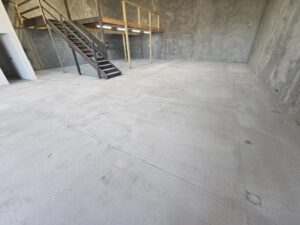
The best epoxy flooring system in the world will not perform to specification over a substrate that is not ready to receive it. Substrate condition is the most critical variable in whether a commercial or industrial epoxy flooring installation succeeds, and it is the variable most often assessed inadequately before a system is selected and installed.
The substrate assessment needs to establish the moisture content of the concrete slab, the surface profile and condition, the presence of any contamination that could affect adhesion, and the structural integrity of the concrete. Each of these findings influences the preparation requirements and the primer selection, which in turn determines what topcoat system can be applied and what performance it will deliver.
A slab carrying moisture levels above the threshold for the proposed system needs either a moisture mitigation treatment or a moisture-tolerant primer before any coating is applied. A substrate that was contaminated with oils or chemicals during previous operations needs specific preparation to remove that contamination to the depth required for adequate adhesion. A concrete surface that was not properly ground to the correct profile needs additional preparation before it will support the bond strength the coating system requires.
Concrete grinding and surface preparation for Melbourne commercial and industrial facilities done to the correct standard is the foundation that determines whether the chosen system delivers its expected service life. Our post on why surface preparation matters in epoxy flooring explains the specific impact of preparation quality on coating performance.
Epoxy Flooring Systems by Environment Type
Warehouses and Distribution Centres
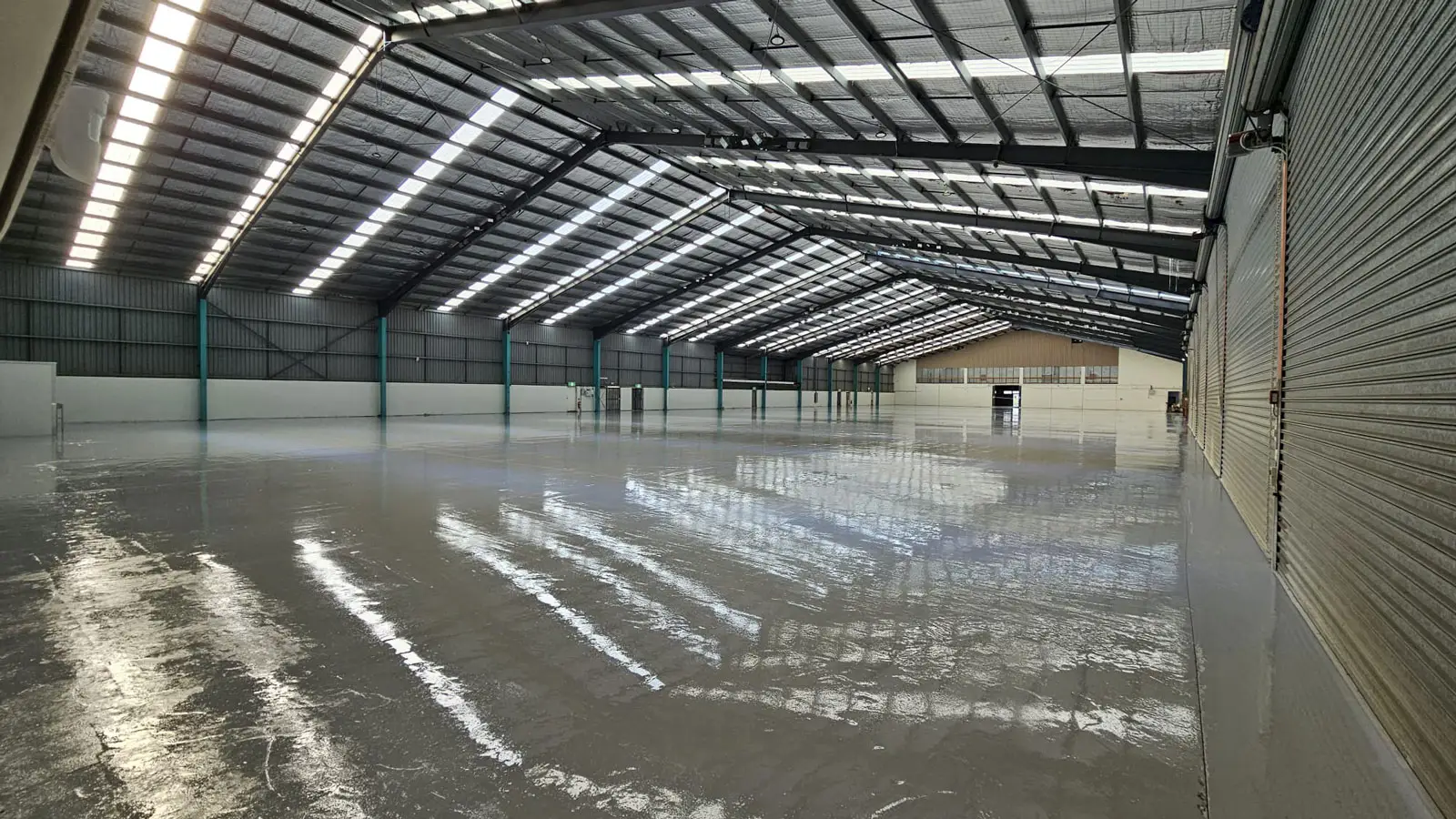
The right epoxy flooring system for a Melbourne warehouse or distribution centre is a multi-coat system with a film build matched to the forklift traffic intensity of the facility, a polyurethane topcoat in main travel lanes and turning zones, and anti-slip aggregate in pedestrian zones and dock approaches.
A zone-specific specification, where the system is varied across the facility based on the actual demands of each area, consistently delivers better value than a uniform specification applied across a facility with genuinely different traffic and use conditions in different zones.
Warehouse floor repair and coating services for Melbourne facilities that are replacing an existing system should also address the root cause of any previous coating failure before the new system is specified. Our post on why warehouse floors fail faster than they should identifies the most common causes of premature failure that need to be resolved before replacement work begins.
Manufacturing and Factory Environments
Factory environments typically have the most varied flooring requirements of any commercial or industrial facility because different production zones present genuinely different demands. Production floors, maintenance areas, chemical storage zones, wet process areas, and amenity spaces all carry different traffic, chemical exposure, and hygiene requirements that a single uniform system does not optimally address.
Factory epoxy flooring for Melbourne manufacturing facilities specified zone by zone, with each area’s system matched to its specific demands, produces a facility floor that performs correctly across all areas rather than compromising between the most and least demanding zones.
Retail, Hospitality, and Commercial Offices
Commercial spaces where the floor is part of the customer or visitor experience have more flexibility in system selection because aesthetics are a legitimate consideration alongside performance. The system still needs to be specified for the traffic and contamination demands of the specific space, but within a correctly specified system there is genuine scope for colour and finish selection that supports the design intent of the space.
Flake epoxy systems are a widely used choice in retail and hospitality environments because the multi-tonal surface conceals everyday marks and wear significantly better than a solid colour, provides a degree of anti-slip texture, and creates a more visually distinctive surface than a plain solid coat. Solid colour systems in carefully chosen tones work well in professional office and reception environments. Metallic epoxy systems suit showrooms and high-end retail environments where visual impact is a deliberate design choice.
The practical consideration in all commercial environments is the cleaning regime the space operates under. A system that looks exceptional on installation but shows its age quickly under the daily cleaning routine of a busy commercial space is a system that creates ongoing maintenance and presentation problems regardless of how well it was installed.
Food Processing and Commercial Kitchens
Food processing and commercial kitchen environments require seamless resin flooring systems with chemical resistance to the cleaning and sanitising agents used in the facility, slip resistance that meets AS/NZS 4586 wet area requirements, and surface finishes that support rather than complicate hygiene compliance.
Lighter surface tones are specifically recommended in these environments because they make contamination, spills, and residue visible against the floor surface, which supports the cleaning and inspection protocols the facility operates under. A floor that hides contamination in a food safety environment is a liability, not an advantage.
Aged Care and Healthcare Facilities
Aged care and healthcare environments require flooring systems that deliver genuine slip resistance under the wet and chemically contaminated conditions these environments face daily, seamless application that supports infection control cleaning, and comfort properties that acknowledge the vulnerability of the people using the space.
Flooring solutions for aged care facilities in Melbourne carry specific compliance obligations under the Aged Care Quality Standards and AS/NZS 4586 that make professional specification and installation by a qualified contractor an obligation rather than a preference.
The Questions to Ask Before Committing to Any Epoxy Flooring System
A correctly specified epoxy flooring system for a commercial or industrial environment answers these questions before any product is selected:
What is the traffic type and intensity in each zone of the facility, and has the system been specified differently where demands differ? Has the substrate been moisture-tested, and what does the result mean for the primer selection and system specification? What preparation method will be used and what surface profile will be achieved? What is the chemical resistance of the proposed system relative to the specific chemicals the floor will contact? What slip resistance rating will the finished surface achieve in each zone, and how was that rating confirmed? What is the expected maintenance interval for the proposed system under the facility’s operational conditions?
A contractor who cannot answer these questions specifically and with reference to your facility’s actual conditions is not developing a specification. They are applying a standard product and hoping it is adequate.
Getting the Right System for Your Melbourne Commercial or Industrial Space
The right epoxy flooring system for your environment is the one that was specified based on the real operational demands of your facility, installed over a properly prepared and assessed substrate, and delivered by a contractor with the formal qualification and technical knowledge to make those decisions correctly.
Floor Maintenance Solutions holds the MSF30822 Certificate III in Flooring Technology and installs commercial and industrial epoxy flooring systems across Melbourne and Victoria. Every project starts with a thorough site assessment that establishes the substrate condition, operational demands, and compliance requirements before a system is recommended.
Contact Floor Maintenance Solutions for a free site assessment of your Melbourne commercial or industrial space. We will assess your environment honestly, recommend the right system for your specific requirements, and give you a clear specification and cost for getting it done properly.