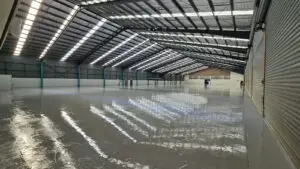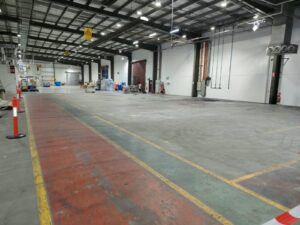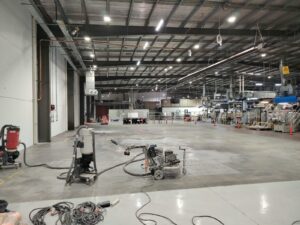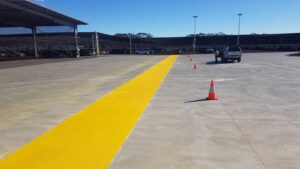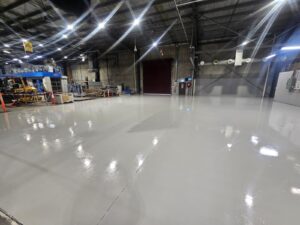
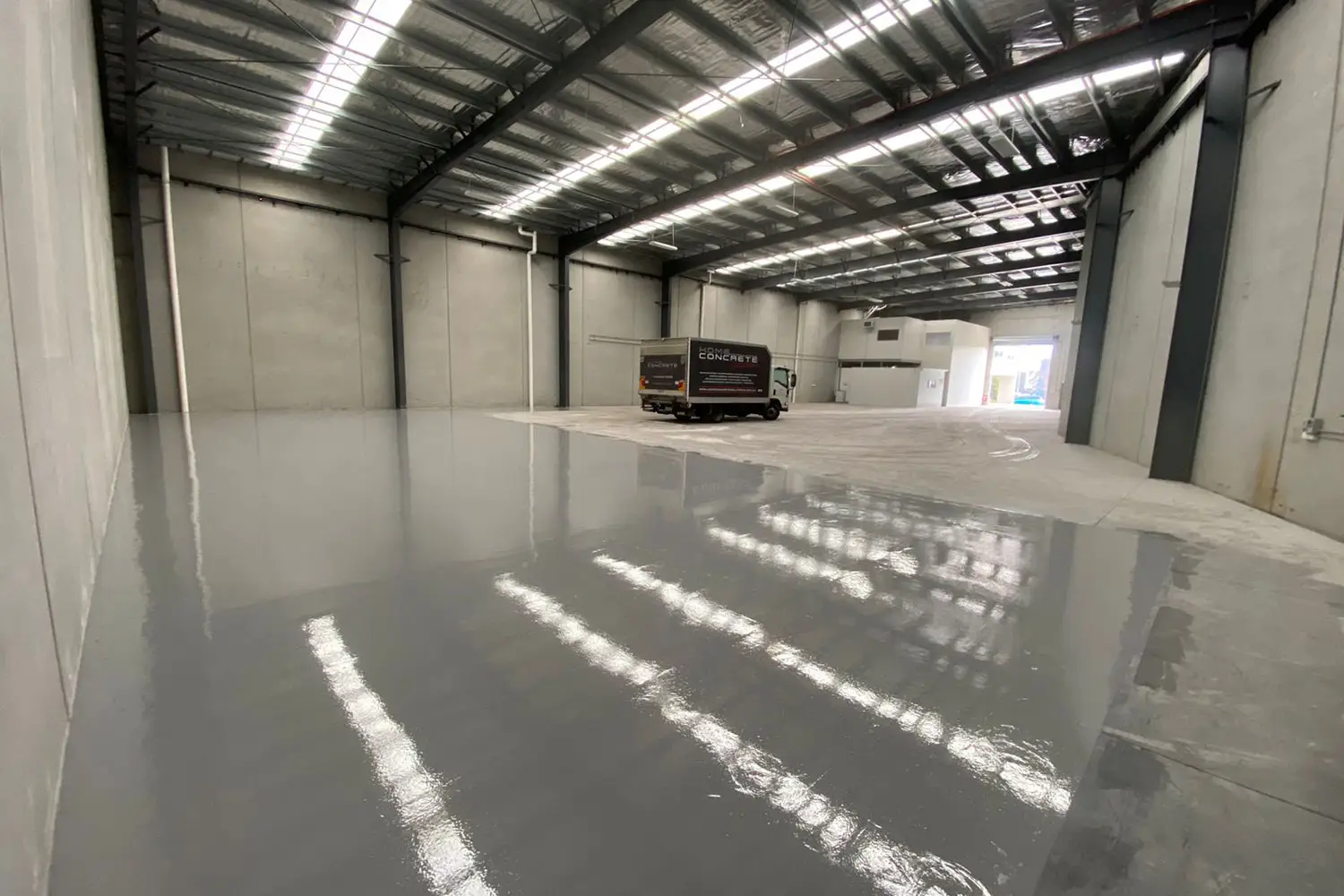
Industrial floors are one of the most heavily used assets in any commercial or industrial facility, yet they are often one of the most overlooked when it comes to preventative maintenance. From warehouses and manufacturing plants to distribution centres and commercial workshops, flooring systems are exposed daily to forklift traffic, heavy loads, chemical spills, abrasion, moisture, and operational wear. What begins as minor surface damage can quickly escalate into costly repairs, safety risks, and operational disruption if left unaddressed.
For many businesses, floor maintenance is often reactive rather than preventative. Small cracks, worn coatings, surface dusting, or uneven areas may appear harmless at first, but over time these issues can compromise the performance and lifespan of the entire flooring system. In industrial environments where efficiency, safety, and uptime are critical, ignoring early signs of floor deterioration can become far more expensive than routine maintenance itself.
Small Surface Problems Become Major Structural Issues
One of the biggest misconceptions in industrial facilities is that cosmetic floor damage is purely aesthetic. In reality, visible wear is often an early warning sign of deeper performance issues.
Minor cracks can allow water, chemicals, and contaminants to penetrate the concrete slab. Over time, moisture infiltration weakens the substrate, accelerates coating failure, and increases the likelihood of delamination. Areas exposed to repeated forklift traffic may begin to chip, pit, or break down further, especially around joints, turning zones, loading docks, and high-traffic pathways.
Once deterioration progresses beneath the surface, businesses are no longer dealing with simple touch-ups or recoating. They are often faced with extensive repairs, slab remediation, or complete floor replacement, all of which come with significantly higher costs, downtime, and operational disruption.
Operational Downtime Costs More Than Most Businesses Realise
Industrial flooring failures rarely happen at a convenient time. Surface damage often escalates during peak operational periods when traffic volumes, stock movement, or production demands are highest.
Damaged floors can slow forklift operations, create unstable movement paths, increase equipment vibration, and interfere with logistics efficiency. In some environments, sections of the facility may need to be temporarily closed for emergency repairs, impacting productivity, staff movement, and customer deadlines.
For warehouses and distribution facilities operating on tight schedules, even short periods of downtime can lead to delayed dispatch, workflow bottlenecks, and financial losses that far exceed the cost of routine floor maintenance.
Preventative maintenance helps businesses avoid these disruptions by identifying issues early before they affect day-to-day operations.
Workplace Safety Risks Increase Over Time
A deteriorating industrial floor is not just a maintenance issue, it is also a workplace safety concern.
Cracked surfaces, uneven flooring, worn coatings, and slippery areas can increase the risk of trips, slips, falls, and forklift incidents. In high-traffic industrial environments, even minor floor inconsistencies can create hazards for workers, visitors, and machinery operators.
Damaged floors may also contribute to poor traction, unstable pallet movement, or uneven load handling. Over time, this can place additional strain on equipment while increasing the likelihood of workplace accidents and potential liability claims.
Maintaining industrial flooring is not only about preserving appearance, it is about creating a safer and more compliant operational environment.
Premature Coating Failure Leads to Higher Long-Term Costs
Industrial floor coatings are designed to protect concrete substrates from wear, impact, chemicals, and moisture exposure. However, coatings are only as effective as the condition of the floor beneath them.
Without ongoing maintenance, small areas of coating wear can spread rapidly under heavy traffic conditions. Forklift turning points, loading zones, and expansion joints are often the first areas to deteriorate. Once coatings begin to fail, exposed concrete becomes vulnerable to abrasion, contamination, and moisture penetration.
Businesses that delay maintenance often move from needing simple repairs to requiring complete resurfacing systems. In many cases, the longer maintenance is postponed, the more expensive the eventual restoration becomes.
Routine inspections and scheduled maintenance help maximise coating lifespan while reducing the likelihood of large-scale remediation work.
Industrial Floors Directly Impact Brand Perception
For many facilities, flooring also influences how customers, clients, contractors, and visitors perceive the business.
Worn, cracked, stained, or poorly maintained floors can create the impression of neglected operations, especially in commercial showrooms, warehouses, logistics facilities, and manufacturing environments where cleanliness and organisation are closely tied to professionalism and operational standards.
Well-maintained industrial flooring contributes to:
- safer working conditions
- improved operational flow
- easier cleaning and maintenance
- enhanced facility presentation
- longer asset lifespan
A proactive maintenance strategy demonstrates that a business values safety, efficiency, and long-term operational performance.
Preventative Maintenance Is More Cost-Effective Than Reactive Repairs
The reality is that industrial flooring systems are not designed to remain maintenance-free forever. Like any operational asset, floors require regular assessment, servicing, and upkeep to perform effectively under demanding conditions.
Preventative maintenance allows businesses to:
- identify early signs of wear
- reduce long-term repair costs
- extend coating lifespan
- minimise downtime
- improve workplace safety
- maintain operational efficiency
Rather than waiting for major failures to occur, proactive floor maintenance helps facilities protect their investment while avoiding expensive disruptions and emergency remediation work.
Investing in Floor Maintenance Protects Long-Term Performance
Industrial flooring plays a critical role in the day-to-day performance of commercial and industrial facilities. Ignoring early warning signs may save money in the short term, but the long-term consequences often result in higher repair costs, reduced safety, operational downtime, and premature flooring failure.
A well-maintained floor is not just about appearance, it is about protecting the efficiency, safety, and longevity of the entire operational environment.
For businesses operating in demanding industrial conditions, preventative floor maintenance is not an unnecessary expense. It is a long-term operational investment.